
Whatever your style preference, the New Zealand climate is ideal for most garden styles and the perfect playground for gardening enthusiasts. Whether you seek the service of a professional for design and installation, or you are a passionate DIY gardener, there are plenty of plant options and design concepts that will result in a fabulous home garden. If you’re stuck for inspiration, check out these great design ideas.
The Native Garden
New Zealand has a unique range of native plants. Not only do these native plants set the tone for a textured and lush garden space, but they also provide a welcoming habitat for our native birdlife. Do your research and choose plants that are best suited to your environment. Consider exposure, soil conditions, and temperature when making your choice.
- Native trees – trees add another dimension to a garden and are available in a wide variety of forms and sizes. Cabbage, Kowhai, Puka and Nikau are all great choices.
- Native shrubs – a large variety of shrubs are available, most of which are evergreen, giving your garden a constant source of foliage, texture and colour. Varieties include Coprosma, Corokia, Hebe.
- Native grasses and flaxes – grasses and flax provide a hardy planting option for all gardens, regardless of conditions. The possibilities for both are plenty. Flaxes and Astelia grasses come in many colours and sizes, while the New Zealand Iris is a popular choice for many home gardens.
The Formal Garden
If you find yourself with a reasonably large section and your style dictates, a formal garden may be a perfect choice. Often, the initial design phase is what determines the success of a formal garden. A clear structure with defined sections, including a well thought out planting plan, should combine to create a balanced and striking aesthetic.
- Create pathways – decide on a ground-covering that will suit your overall design. Bricks, stone and pebbled paths are just three of the many options available.
- Features – often, pathways in a formal garden will lead to a feature point, such as a rose garden, fountain, topiary, pond, statue or sundial.
- Garden structures – seats, hedges, archways and gazebos all make good choices, but make sure the style of your garden is consistent.
- Maintenance – keep your hedges, topiaries and lawns well maintained; this is essential in creating a successful formal look.
The Courtyard Garden
A courtyard garden design is ideal for a small section or one with limited outdoor space – such limitations need not impact the visual delights of your garden. Choose a style and personalise the area to which you will retreat to relax or entertain.
- Exotic – exotic plants and textured foliage can give your garden a bold and striking look. Large-leafed plants with a strong form or bold colour are ideal. Choose from the likes of Myosotidium, Hellebores, Hostas, Daylilies, Arthropodium, Puka, Scleranthus, Astelia, Palms, and Acanthus.
- Formal – a formal design, made up of straight lines and a symmetrical layout, offers a stylish and contemporary aesthetic.
- Incorporate features to which the eye (and the garden wanderer) are drawn – a fountain, seat, statue or topiary can be very effective.
- Limit the number of plant varieties you use; this will make your garden easier to maintain.
- European – the Italian or Mediterranean garden can be a welcome respite from your daily life. Tiles, pots, planters and feature sculptures will bring warmth and an exciting textural profile to your space. Keep lines simple, but feel free to add curves, geometric shapes and other bold features.
The Potted Garden
Apartment living is becoming increasingly popular, particularly in our built-up urban areas and large cities. However, the absence of a traditional garden space doesn’t mean you must go without altogether. Potted plants offer a vibrant and varied year-round solution for your balcony, patio or foyer area. Potted plants can be moved around during the year, which means that you can give your garden a revamp when the mood takes you. Follow these tips to ensure your potted garden is a success:
- Drainage – make sure your pots have adequate drainage holes. Add a small amount of gravel or shingle to the bottom to assist with drainage; it will also help keep the snails and slugs out!
- Potting mix – fill your pots with quality potting mix, but don’t fill right to the top – leave a gap for watering.
- Feed plants regularly with liquid or granulated fertiliser.
- Regular watering – early morning and late evening are ideal times for watering. Avoid over-watering or leaving your plants to sit in water; this will cause their roots to rot.
The Herb Garden
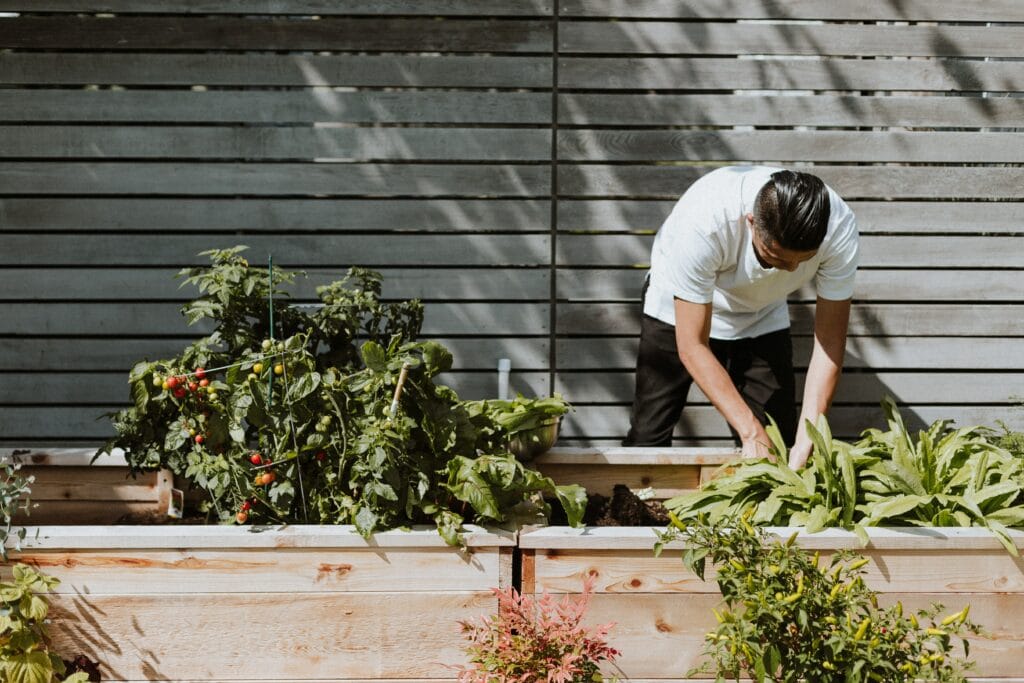
The taste of freshly grown herbs will bring zest and excitement to your cooking. Growing herbs doesn’t require a great deal of space; you can grow them in small pots on your patio, balcony or window sill. Here’s how to make a herb garden work for you:
- Make your herb garden as small or large as you like – from a small window box to a large garden plot.
- Plan the layout of your herb garden before you begin – what herbs do you want to grow? Think of the many uses you may have, such as enjoying a cup of mint tea, making basil pesto, soaking in a lavender bath, adding fresh oregano to your Italian cooking, or creating medicinal tinctures.
- Make sure you maintain all herbs – try not to let plants go to seed or grow to a size that allows them to stop other plants from getting light.
- Replant annual herbs (such as coriander, basil and dill) each year. Perennial herbs (such as rosemary) can grow very large. Allow sufficient room for everything to grow!
- Begin with starter plants; this is an easy way to get your herb garden up and running. You can purchase starter plants from your local nursery.
The Coastal Garden
Gardening in a coastal environment can be challenging! Taking a few key factors into consideration at the planning stage will ensure that your garden thrives despite the elements.
- Grow hardy plants – Daisies, Geraniums, Wormwood and other silver foliage shrubs, Olives, Leucospermums, low-growing varieties of Lavender, and Succulents, are all great options for coastal planting.
- Ensure that you support plants while they establish their roots by laying driftwood or stones on top of the soil after planting, and stake young trees and shrubs to give them extra support.
- Time your planting – avoid planting during the hot summer months.
- Focus on soil health – use gypsum to break up clay soil and add compost, manure and soil conditioners to improve nutrient density.
- Grow a hedge to create a shelterbelt and ensure protection from the prevailing winds – be sure to choose a hardy variety such as Coprosma or Corokia.
Garden Design Software
For the passionate gardeners among you, there are many garden design software packages available online. These tools let you plan your garden design in detail before stepping foot in a nursery. They feature bird’s eye view planning tools, an encyclopedia of plants, climatic information for your region, garden feature ideas and templated garden designs. Some software even lets you view your garden in different seasons and see the changes in your garden over many years.