
Windscreen Safety Tips: What NZ Drivers Need to Know
Your windscreen is more than just a window to the road—it’s a critical safety feature of your vehicle. In fact, a clean, damage-free windscreen helps you maintain visibility, protects passengers during accidents, and even supports airbag deployment in some vehicles.
Despite this, windscreen maintenance is often overlooked by Kiwi drivers until something goes wrong. Whether you’re dodging loose gravel on rural roads or dealing with urban construction debris, understanding how to care for your windscreen is key to staying safe.
Here’s what every New Zealand driver needs to know.
1. Why Your Windscreen Matters More Than You Think
- Visibility: A chipped, cracked or dirty windscreen reduces your ability to see the road clearly, especially during rain, sun strike, or night driving.
- Structural Integrity: Your windscreen contributes to your car’s overall strength. In a rollover crash, it helps prevent the roof from collapsing.
- Airbag Function: In many modern cars, the windscreen supports proper airbag deployment. If it’s damaged or poorly installed, the airbags may not deploy correctly.
2. Don’t Ignore Chips or Cracks
One of the most common windscreen issues in New Zealand is stone chips from roadworks and unsealed surfaces. While it might seem minor, a small chip can quickly spread into a full crack, especially in cold mornings or after sudden temperature changes.
What to do:
- If you notice a chip, get it checked as soon as possible. Most insurers will cover chip repairs for free or at a low cost.
- Repairs are quick—often done in 30 minutes—and can save you from needing a full windscreen replacement down the line.
3. Replace Damaged Wipers Promptly
Worn or damaged wiper blades can leave streaks, reduce visibility, and even scratch your windscreen over time. This is particularly dangerous during heavy rain or snow.
Tip for NZ drivers:
- Check and replace your wipers every 6–12 months, especially if you park your car outside where UV exposure can degrade rubber faster.
4. Use Proper Cleaning Techniques
Avoid using household cleaners like glass spray or ammonia-based products on your windscreen. These can damage tinting or sensor systems.
Do this instead:
- Use a dedicated automotive glass cleaner.
- Clean both inside and out, especially the interior side of the windscreen, which can accumulate a hazy film from off-gassing plastics.
- Microfibre cloths are ideal for streak-free results.
5. Don’t Delay Windscreen Replacements
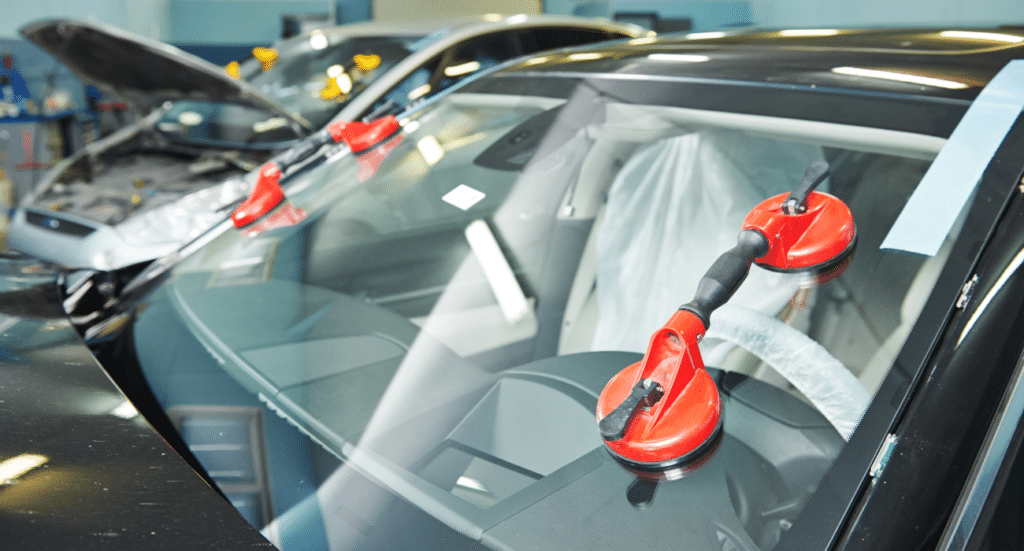
If your windscreen is cracked beyond repair or fails a Warrant of Fitness (WOF), it must be replaced. Driving with a cracked windscreen can lead to fines—and far worse, it can compromise your safety in a crash.
What to check:
- Always use an authorised, experienced technician.
- Ask if the glass is OEM (original equipment manufacturer) or aftermarket, and ensure it meets NZ safety standards.
- If your car has ADAS (Advanced Driver Assistance Systems), the windscreen may house cameras or sensors that need professional calibration after replacement.
6. Consider Windscreen Cover in Your Insurance Policy
Some comprehensive insurance policies in New Zealand include glass cover for windscreen damage, meaning chip repairs or even full replacements won’t cost you extra. If it’s not included, you may be able to add it as an optional extra for peace of mind.
Check with:
- AA Insurance
- State, AMI, and Tower
- Your broker or adviser for the best glass cover options
7. Be Mindful of Sun Strike and Glare
Windshields in NZ are particularly vulnerable to sun strike, especially during sunrise and sunset on east-west roads. Dirty glass can make the glare worse and reduce visibility dangerously.
Tips to reduce risk:
- Clean the inside of your windscreen regularly.
- Replace your sun visors if they’re damaged or ineffective.
- Invest in quality polarised sunglasses for driving.
Conclusion: A Clear Windscreen = Safer Driving
Your windscreen plays a vital role in keeping you, your passengers, and other road users safe. Taking a few simple precautions—like repairing chips early, replacing worn wipers, and keeping the glass clean—can make a huge difference.
In a country like New Zealand, where road conditions range from motorways to metal roads, windscreen safety isn’t optional. It’s essential.