
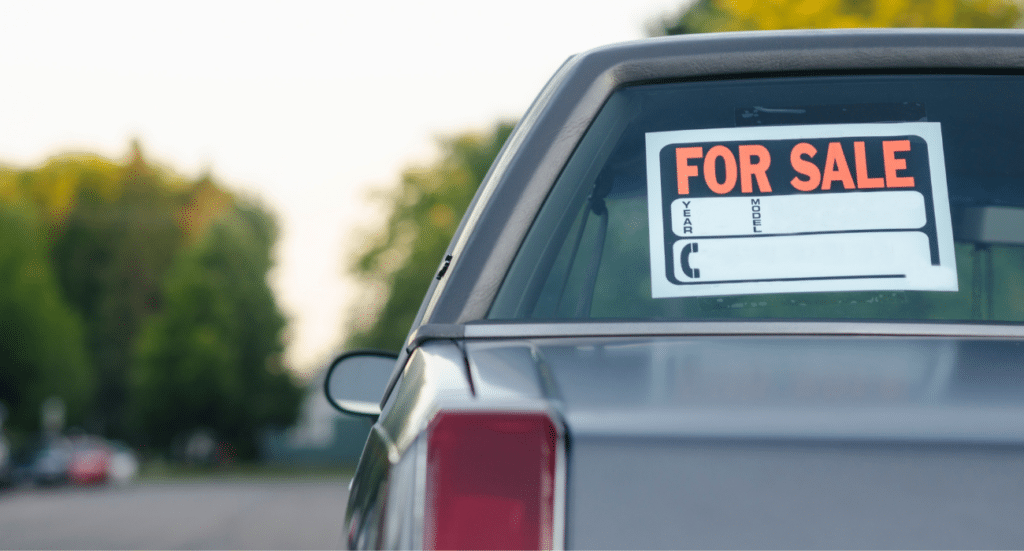
Thinking of Selling This Year? How to Prepare Your Car for the Best Return
If selling your car is on the cards this year—whether you’re upgrading, downsizing, or changing lifestyle—preparation can make a meaningful difference to the final price you achieve. In New Zealand’s competitive used-car market, buyers are informed, cautious, and quick to walk away if something doesn’t stack up.
The good news? You don’t need to spend thousands to maximise your return. A few smart, well-timed steps can significantly improve buyer confidence, reduce negotiation pressure, and help your car stand out for the right reasons.
This guide walks you through what matters most when preparing your vehicle for sale in 2026.
1. Start with an Honest Assessment
Before spending a dollar, take a clear-eyed look at your car as a buyer would.
Ask yourself:
- Is the car mechanically sound?
- Are there obvious cosmetic issues?
- Is the service history complete?
- Would I feel confident buying this vehicle myself?
Honesty here helps you decide where effort is worthwhile and where it isn’t.
2. Sort the Essentials First (These Matter Most)
Warrant of Fitness (WoF)
A current WoF is one of the biggest confidence boosters for NZ buyers.
- Cars without a WoF often sell for significantly less, even if issues are minor.
- If the WoF is due soon, consider renewing it before listing; it removes uncertainty and strengthens your negotiating position.
Registration
While not legally required to sell, current registration avoids friction.
- Buyers factor lapsed rego into their offer.
- If it’s close to expiry, topping it up can be worth it.
3. Service History Is Value
A well-documented service history can be just as persuasive as shiny paintwork.
What helps:
- Regular servicing receipts
- Recent oil changes or inspections
- Records of major work (timing belt, battery, brakes, suspension)
If servicing has been patchy, consider booking a basic service before selling; it gives you something positive and recent to show buyers.
4. Fix the Small Stuff (But Don’t Overcapitalise)
Not every repair is worth doing, but some are absolutely.
Worth fixing:
- Blown bulbs
- Worn wiper blades
- Warning lights
- Minor interior issues (loose trim, broken clips)
- Obvious rattles
Usually not worth fixing:
- Major cosmetic damage
- Large mechanical repairs (unless essential for WoF)
- Aftermarket “upgrades” you won’t recover the cost of
If in doubt, ask a mechanic what will matter to buyers versus what won’t.
5. Clean Like You’re Moving House
Clean cars sell better—full stop.
At a minimum:
- Thorough exterior wash
- Clean wheels and tyres
- Vacuum carpets and seats
- Wipe down hard surfaces
- Clean windows inside and out
If your budget allows, a professional detail can pay for itself by increasing perceived value and speeding up the sale.
6. Get Your Pricing Right
Overpricing pushes buyers away; underpricing leaves money on the table.
Do your research:
- Search similar vehicles on Trade Me and Turners
- Consider age, kilometres, condition, and location
- Use tools like Trade Me’s Price Guide or AA Car Valuations
Set:
- A realistic asking price
- A clear bottom line before negotiations start
Confidence comes from knowing your numbers.
7. Create a Listing That Builds Trust
Your listing should answer questions before buyers ask them.
Include:
- Year, make, model, engine size
- Kilometres
- Transmission and fuel type
- WoF and registration expiry
- Service history highlights
- Any faults or imperfections (honesty matters)
Photos matter:
- Take them in daylight
- Show all sides, interior, engine bay, odometer
- Clean the car first
Trust leads to better offers.
8. Be Smart and Safe During Viewings
When dealing with buyers:
- Meet in daylight, preferably somewhere public
- Ask to see a driver’s licence before test drives
- Accompany test drives where possible
- Never hand over keys without being present
- Avoid pressure tactics. Legitimate buyers won’t rush you
9. Handle Payment and Ownership Properly
Before handing over the car:
- Ensure payment has cleared
- Provide a signed receipt with vehicle and buyer details
- Complete change of ownership via Waka Kotahi
- Cancel or update your insurance immediately
Paperwork protects you long after the sale.
10. Timing Can Work in Your Favour
In NZ, certain times of year attract more buyers:
- Early in the year (people upgrading or changing jobs)
- Before winter (SUVs and AWD vehicles)
- Ahead of WoF expiry (buyers prefer fresh stickers)
If you have flexibility, timing your sale can improve outcomes.
Final Thought
Preparing your car for sale isn’t about perfection; it’s about confidence, clarity, and credibility. Buyers want reassurance that they’re making a smart decision. When you remove uncertainty, you reduce negotiation pressure and protect your price.
A little preparation now can mean:
- Fewer tyre-kickers
- Faster sale
- Better return
And that’s a great way to start whatever comes next.