
The Real Cost of Getting Around: How Renters Can Rethink Transport in 2026
Why your commute might be costing more than you think.
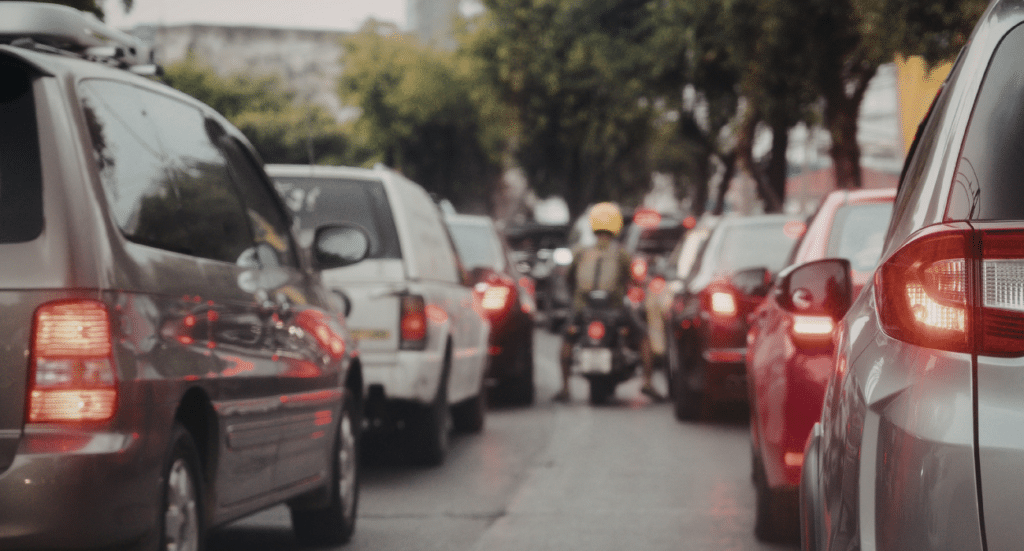
When tenants think about housing costs, rent is usually the focus. But transport is often the second-largest expense and is frequently underestimated.
In 2026, with fuel prices fluctuating and work patterns continuing to evolve, reviewing your transport costs can unlock significant savings and improve your day-to-day life.
1. Calculate Your True Transport Costs
Start by understanding what you are actually spending.
Include:
- Fuel or public transport fares
- Parking costs
- Vehicle maintenance and servicing
- Insurance and registration
Many renters only consider fuel, but the full cost of getting around is often much higher.
2. Reassess Your Commute
Your commute may have made sense when you first moved in, but circumstances change.
Ask yourself:
- Has your workplace changed location or expectations?
- Are you commuting more or less than before?
- Are there alternative routes or transport options available?
Even small adjustments, such as avoiding peak traffic or combining trips, can reduce both time and cost.
3. Consider the Trade Off Between Rent and Location
One of the biggest decisions renters face is whether to live closer to work or further away.
A lower rent in an outer suburb may seem appealing, but if it adds significant travel time and cost, the savings may disappear.
On the other hand, a slightly higher rent closer to work could reduce:
- Fuel costs
- Time spent commuting
- Daily stress
Looking at total living costs rather than rent alone leads to better decisions.
4. Explore Flexible Transport Options
Transport habits are changing, and renters have more options than ever.
Depending on your location, consider:
- Public transport networks
- Cycling or walking for short distances
- Carpooling with colleagues or flatmates
- Working from home where possible
Flexibility can reduce reliance on a single, expensive transport method.
5. Plan for Seasonal Changes
Transport costs are not static throughout the year.
- Winter driving may increase fuel usage
- Holiday travel can add extra expenses
- Changes in daylight hours can affect travel patterns
Planning for these variations helps avoid unexpected financial pressure.
6. Factor Transport into Future Rental Decisions
If you are considering moving later in the year, include transport in your decision-making process.
A property that looks affordable on paper may not be once commuting costs are included. Equally, a more central location may offer better overall value.
Final Thoughts: Time and Money Both Matter
Transport is not just a financial cost. It is also a time cost. Long commutes reduce time for rest, family, and daily life.
By reviewing how you get around and what it costs, you can make more informed choices that support both your budget and your wellbeing.
In 2026, smart renting is not just about where you live. It is also about how you move.