
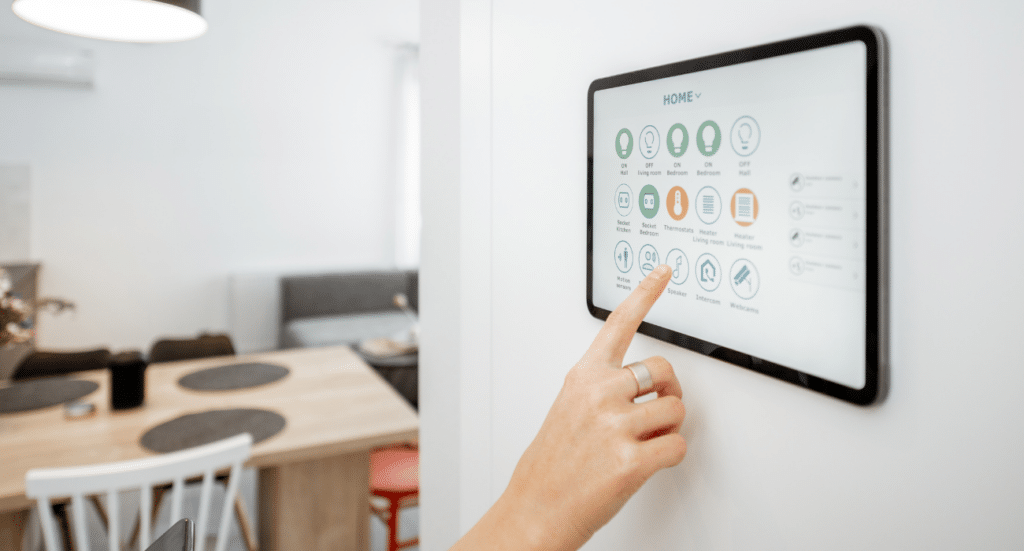
Smart Homes, Smarter Risks: How to Secure Connected Homes in 2026
A practical guide for New Zealand homeowners using smart technology
Smart home technology is no longer a future concept. It is part of everyday life for many New Zealand homeowners.
From smart locks and cameras to app-controlled lighting and heating, homes are becoming more connected, more automated, and more convenient.
But with that convenience comes a new category of risk.
Smart homes are not just physical spaces anymore. They are digital environments. And like any digital system, they require active protection.
What Makes a Home Smart
A smart home typically includes devices that are connected to the internet and can be controlled remotely.
Common examples include:
- Smart doorbells and cameras
- Electronic locks and garage systems
- Heating and lighting controls
- Voice assistants
- Home monitoring systems
These devices often connect through a central app or network.
The Convenience Trade-Off
The appeal of smart technology is clear.
Homeowners can:
- Monitor their property remotely
- Receive real-time alerts
- Control access and security
- Automate daily routines
However, every connected device creates a potential entry point.
If one device is compromised, it can create access to others.
Common Smart Home Vulnerabilities
Most smart home risks come from simple issues rather than advanced hacking.
These include:
- Default or weak passwords
- Shared login credentials
- Outdated software
- Unsecured Wi-Fi networks
- Devices with minimal built-in security
In many cases, devices are set up quickly and then left unmanaged.
How Smart Home Risks Affect Physical Security
A compromised device can provide more than just data access.
It can allow:
- Remote unlocking of doors
- Disabling of cameras or alarms
- Monitoring of when a home is empty
- Access to personal routines and habits
This connects digital risk directly to physical security.
Building a Secure Smart Home
Smart homes do not need to be avoided. They need to be managed properly.
Key steps include:
Secure your network:
- Use strong Wi-Fi passwords
- Enable encryption
- Avoid default router settings
Strengthen device access:
- Use unique passwords
- Enable two-factor authentication
- Avoid sharing login details
Keep systems updated:
- Regularly update device software
- Replace unsupported devices
Control access:
- Limit who can access systems
- Remove unused users
- Be cautious with integrations
Choose reputable brands:
- Use established manufacturers
- Ensure ongoing support
The Role of Awareness
Technology can create a false sense of security.
Understanding how your system works is critical to managing risk effectively.
Smart Homes and Insurance
As smart technology becomes more common, insurance considerations may evolve.
Some insurers may:
- Offer incentives for monitored systems
- Consider security features in risk assessments
- Expect certain standards for high-value properties
Technology should complement insurance, not replace it.
The Bottom Line
A connected home is only as secure as the systems behind it.
Smart technology adds convenience, but also responsibility.
Security now includes both physical and digital protection.
When managed properly, smart homes are not a risk. They are an asset.