
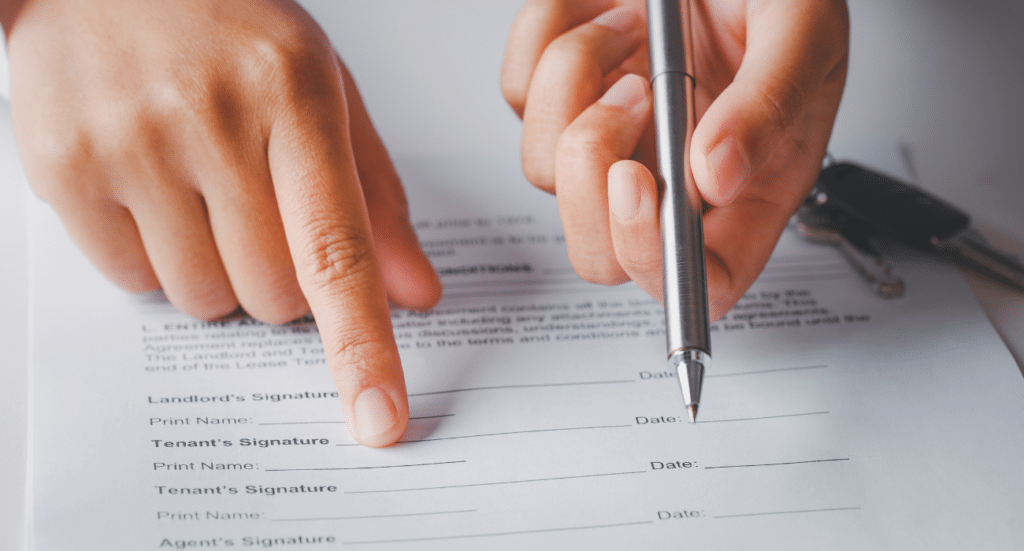
How to Read a Tenancy Agreement Like a Pro (Even If You’re Not One)
Demystifying the fine print so renters can protect their rights and avoid regrets.
You’ve found the perfect rental. The location’s spot on, the kitchen gets heaps of sun, and the bedrooms are just the right size. Then the property manager hands you a tenancy agreement—and suddenly, you’re staring at pages of legal terms that feel like they belong in a courtroom, not a cosy home.
If you’ve ever signed a lease with a sense of “I hope I’m not missing anything,” you’re not alone. But here’s the truth: understanding your tenancy agreement is one of the most important things you can do as a renter in New Zealand. It protects your rights, keeps your landlord accountable, and prevents nasty surprises down the track.
You don’t need a law degree to read a tenancy agreement like a pro—you just need to know what to look for. This blog breaks down the essentials so you can sign on the dotted line with confidence.
1. First, Know What Type of Tenancy You’re Signing
In New Zealand, most rental agreements fall into one of these categories:
- Periodic tenancy: Ongoing, with no fixed end date. You or your landlord can end it with proper notice.
- Fixed-term tenancy: Runs for a set period (e.g. 12 months). Neither party can end it early without mutual agreement or legal grounds.
Check your tenancy type first—this determines your flexibility to move out, your notice periods, and how rent increases are handled.
2. Understand What You’re Actually Agreeing To
Every tenancy agreement should include these standard details:
- The names of all tenants and the landlord
- The full address of the property
- The start date of the tenancy (and end date if it’s fixed-term)
- The weekly rent and payment frequency
- The bond amount
- Who pays for what utilities and services
- Any chattels (items that come with the property, like fridge, washing machine, curtains)
If any of these are missing or unclear, ask. This is your home and your money; you’re entitled to clarity.
3. Watch Out for These Common Clauses
Some parts of a tenancy agreement might be legally unenforceable or need clarification. Here’s what to keep an eye on:
- “No pets” clauses
Pet bans are common, but not always absolute. As of now, landlords can choose to allow or decline pets, but there’s growing discussion about reforming this. If you’re a pet owner, always get written permission. - Maintenance and repairs
The landlord is legally responsible for maintaining the property in a liveable condition, but tenants must report damage promptly and not cause intentional harm. Check that the clause clearly spells out who does what. - Access and inspections
Your landlord can’t just pop round unannounced. They must give at least 48 hours’ notice for inspections (with a maximum of once every 4 weeks) and 24 hours for repairs. - Rent increases
For fixed-term agreements, rent can only be increased if a clause allows it and only once every 12 months. The landlord must give at least 60 days’ written notice.
Red flag: Any clause that contradicts the Residential Tenancies Act (e.g. “tenant must repaint walls” or “landlord can enter any time”) is invalid—even if you sign it.
4. Know Your Bond Rights
By law, your landlord must lodge your bond with Tenancy Services within 23 working days of receiving it. You’ll get confirmation via email once it’s registered. At the end of your tenancy, you and your landlord must agree on the bond refund.
Tip: Always take photos of the property’s condition when you move in, and attach them to the condition report. This protects you if there’s a dispute when you move out.
5. Get Everything in Writing
Verbal agreements can lead to miscommunication. If your landlord promises to install a heat pump, fix a broken oven, or reduce the rent after a few months, get it written into the tenancy agreement or confirmed via email.
Even casual arrangements—like using the garage for storage or having a partner move in later—can affect your tenancy. If it’s not on paper, it’s not protected.
6. Ask Questions Before You Sign
If something doesn’t make sense, speak up. Ask the property manager or landlord to explain it in plain English. If you’re unsure whether a clause is fair or legal, you can check with:
- Tenancy Services NZ
- Citizens Advice Bureau
- Your local Community Law Centre
It’s far better to take an extra day to read and ask questions than to rush and regret it later.
7. Keep a Copy—and Know Where It Is
It sounds basic, but many renters lose track of their lease documents. Always keep a digital and printed copy of your tenancy agreement, along with any correspondence, bond confirmation, and inspection reports. You’ll thank yourself if a dispute ever arises.
Final Thoughts: Empowered Renters Read the Fine Print
A tenancy agreement isn’t just paperwork—it’s a contract that governs your rights, your rent, and your relationship with your landlord. By learning how to read it like a pro, you’re protecting your peace of mind, your wallet, and your home.
So next time you’re applying for a rental, don’t just focus on the number of bedrooms or the proximity to your favourite café. Sit down with the tenancy agreement, take your time, and read it with confidence. Because a renter who understands their rights is a renter who’s ready for anything.