
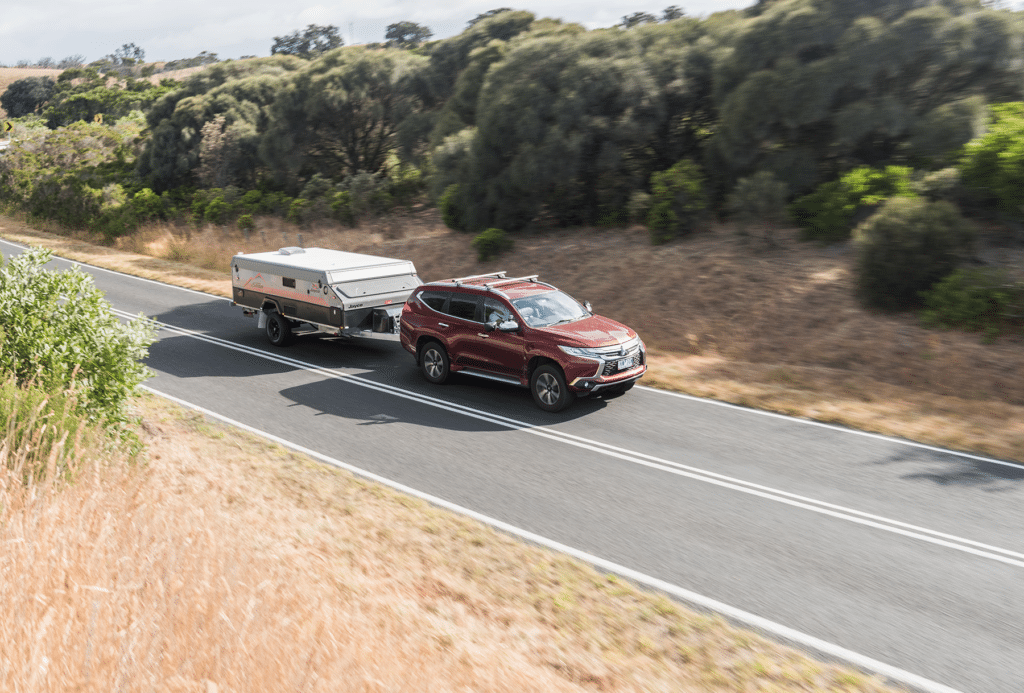
Hitch It Right: A Guide to Safe and Smooth Trailer Management
Summer in New Zealand is the perfect time for family road trips, whether you’re towing a caravan for a beachside getaway, a trailer loaded with camping gear, or a boat for some lakeside fun. However, towing requires more than hitching up and hitting the road—it’s about ensuring safety, stability, and smooth handling throughout your journey. This guide will help you hitch it right and tow with confidence.
1. Start with the Right Equipment
Before you even think about hitting the road, make sure you have the proper towing setup:
- Towing Capacity Check your vehicle’s towing capacity in the owner’s manual. Exceeding this limit can strain your vehicle and compromise safety.
- Tow Bar and Hitch Ensure your tow bar and hitch are rated for the weight of your trailer, caravan, or boat.
- Safety Chains Attach sturdy safety chains securely between the trailer and vehicle to prevent it from detaching in an emergency.
2. Master the Art of Loading
How you load your trailer significantly impacts its stability and handling. Follow these tips:
- Distribute Weight Evenly Place heavier items over the axle and evenly balance the load on both sides of the trailer.
- Avoid Overloading Never exceed your trailer’s maximum load capacity—this is dangerous and illegal.
- Secure Your Load Use tie-downs, ratchet straps, or nets to keep items in place and prevent them from shifting during travel.
3. Hitching Up Correctly
Properly connecting your trailer to your vehicle is critical for a safe journey:
- Align Perfectly Back your vehicle up slowly, ensuring the tow ball is directly under the coupling.
- Secure the Coupling Lower the coupling onto the tow ball and lock it in place. Double-check for a snug fit.
- Check the Safety Chains Attach the chains in a crisscross pattern under the tongue of the trailer for extra security.
- Connect the Electrical Plug Ensure the trailer’s lights (indicators, brake lights, and tail lights) are functioning correctly.
4. Driving with a Trailer
Towing changes your vehicle’s handling, acceleration, and braking. Adjust your driving accordingly:
- Take It Slow Drive at a reduced speed to maintain control, especially on winding roads or in windy conditions.
- Increase Following Distance Allow extra space between your vehicle and others to account for longer stopping distances.
- Turn Wider Trailers take a tighter arc during turns, so approach corners and bends more cautiously.
- Be Patient If you’re towing a heavy load and notice a line of vehicles behind you, pull over at the next safe spot to let them pass.
5. Parking and Reversing Tips
Parking and reversing with a trailer can be intimidating, but with a bit of practice, you’ll get the hang of it:
- Use a Spotter If possible, have someone guide you while reversing.
- Go Slow Make small, controlled movements to avoid oversteering.
- Understand Trailer Movement Turn the steering wheel in the opposite direction to where you want the trailer to go.
- Practice in an Empty Lot Build your confidence by practising parking and reversing in a quiet area before hitting the road.
6. Regular Maintenance is Key
Keeping your trailer in good condition is essential for safety and performance:
- Check Tyres Inspect tyre pressure and tread regularly to avoid blowouts.
- Inspect the Hitch and Chains Look for wear, rust, or damage before every trip.
- Test the Lights Ensure all indicators, brake lights, and tail lights are operational before setting off.
- Grease Moving Parts Lubricate the tow ball and coupling mechanism to prevent wear and ensure smooth operation.
7. Legal Considerations
Stay compliant with New Zealand’s towing regulations to avoid fines or accidents:
- Speed Limits When towing, the maximum speed limit is 90 km/h, even if the posted limit is higher.
- Licensing Ensure your driver’s licence covers the weight of your trailer and load.
- Braking Systems Trailers exceeding 2,000 kg (gross weight) must have a functioning braking system.
8. Prepare for Emergencies
Always be ready to handle unforeseen situations:
- Carry Spare Tyres Have spares for both your trailer and vehicle.
- Emergency Kit Pack a basic toolkit, first aid kit, and a jack capable of lifting the trailer.
- Roadside Assistance Ensure your roadside assistance plan covers towing breakdowns.
Final Thoughts
Towing a trailer, caravan, or boat can be a seamless experience when you’re well-prepared and follow these tips. By prioritising safety, maintaining your equipment, and practising good driving habits, you’ll not only protect your family but also enjoy a smooth and stress-free journey. This summer, hitch it right and make unforgettable memories exploring New Zealand’s beautiful landscapes!